
ByJohn A
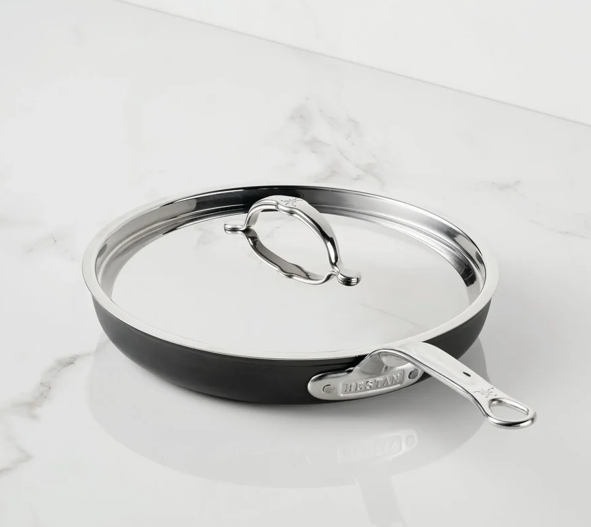
Why Is the Hestan Nonstick Skillet Considered a Professional-Grade Cookware Choice?
Cookware performance today is evaluated based on heat precision, structural stability, and long-term durability rather than just surface convenience. A skillet in particular must maintain consistent heating behavior because it is one of the most frequently used tools in daily cooking.
Modern cookware engineering focuses on solving issues like uneven heat distribution and structural warping through layered construction and reinforced materials. Within this category, premium design systems such as those found in Hestan cookware are built around precision heat control and durable material layering, which help maintain performance consistency across repeated use.
What Defines a Professional Nonstick Skillet?
A professional nonstick skillet is defined by how well it balances heat response, structural strength, and coating durability under continuous use conditions.
Heat control and surface responsiveness
Heat responsiveness determines how quickly a skillet reacts to temperature adjustments. A professional skillet must distribute heat evenly and respond without delay to changes in cooking intensity.
This ensures that the cooking surface remains stable during temperature shifts, allowing more controlled cooking outcomes without uneven hot zones.
See also: Hire Digital Project Managers: The Key to Successful Digital Transformation
Importance of structural balance in skillets
Structural balance ensures that the skillet remains flat and maintains full contact with the cooking surface. When a base is unstable, heat distribution becomes inconsistent, affecting cooking quality.
A well-balanced structure improves heat transfer efficiency and supports uniform cooking across the entire surface area.
Coating strength and durability expectations
A professional skillet must also maintain its nonstick performance over time. This requires coatings that resist wear, scratching, and breakdown under repeated heating cycles.
Durability is not only about surface quality but also about how well the coating performs under long-term thermal exposure and regular usage.
TITUM Fusion Skillet Construction Overview
Skillet performance is directly influenced by its internal construction, where layered engineering plays a critical role in stability and heat control.
Multi-layer stainless steel and aluminum build
The skillet structure combines stainless steel and aluminum layers to balance durability and heat conduction. Stainless steel provides rigidity and prevents deformation under heat stress.
Aluminum ensures fast and even heat distribution, allowing the surface to reach consistent temperatures quickly and efficiently.
Titanium and diamond reinforced surface
The cooking surface is reinforced with advanced materials such as titanium and diamond-like compounds. This improves hardness and increases resistance to scratches and surface wear.
This reinforcement helps maintain smoother food release performance over extended use, even under frequent cooking conditions.
Ergonomic and functional design features
Design also plays a role in usability and control. Balanced weight distribution and a well-designed handle improve handling stability during cooking.
These features ensure comfort and control, especially during precision cooking tasks that require steady movement and consistent positioning.
Cooking Performance in Everyday Use
Cooking performance reflects how well the skillet manages heat distribution and surface interaction during real use conditions.
Even heating for consistent results
Even heat distribution ensures that all areas of the skillet maintain uniform temperature. This reduces inconsistencies during cooking and improves overall control.
Stable heating allows predictable cooking outcomes, which is essential for maintaining texture and doneness consistency.
Searing performance and browning control
Controlled heat distribution improves browning and searing performance by ensuring that food develops color evenly across the surface.
This helps avoid uneven cooking zones and supports better texture development during high-heat cooking processes.
Low-fat cooking efficiency with nonstick surface
A high-quality nonstick surface reduces the need for excess oil, allowing food to release easily from the pan.
This improves cooking efficiency and reduces sticking, making the cooking process smoother and more controlled.
Heat Stability and Warp Resistance
Heat stability is essential for long-term cookware performance, especially under repeated heating cycles.
Double Impact base contribution
The double impact base plays a major role in maintaining structural stability. It distributes heat evenly across the skillet, reducing stress points that typically lead to warping.
This ensures that the skillet remains flat and maintains consistent contact with the cooktop surface.
Induction compatibility advantages
Induction cooktops require a perfectly flat base for efficient energy transfer. A reinforced structure ensures stable contact and consistent heating performance across induction surfaces.
In cookware systems such as the Hestan nonstick skillet, this stability improves energy efficiency and ensures reliable performance across multiple cooktop types.
Long-term shape retention benefits
Maintaining shape integrity over time is critical for consistent cooking performance. Reinforced construction reduces deformation caused by repeated thermal cycles.
This ensures long-term reliability and stable cooking results even after extended use.
Maintenance and Longevity of the Skillet
Proper maintenance plays a key role in preserving both performance and durability over time.
Scratch resistance and cleaning ease
Reinforced surfaces provide better resistance to scratches and surface wear. This helps maintain smooth performance even after frequent use.
Cleaning is simplified because the nonstick surface prevents food residue buildup, reducing the need for intensive scrubbing.
Surface durability over repeated use
Repeated heating cycles can impact cookware surfaces if not properly reinforced. Durable coatings help maintain consistent food release performance over time.
This ensures long-term usability and reduces performance degradation across extended use periods.
Engineering perspective on performance consistency
Consistent cookware performance depends on both surface coating and structural engineering working together.
A stable base ensures even heat distribution, while reinforced coatings maintain surface integrity. Together, they create predictable cooking behavior across different conditions.
Key performance highlights
- Multi-layer construction improves heat stability
- Reinforced coating enhances surface durability
- Balanced design improves cooking precision
- Warp-resistant base supports induction compatibility
- Designed for long-term professional-grade performance
FAQs
1. What makes a skillet professional-grade?
A professional skillet combines heat stability, structural balance, and durable coating performance under repeated use conditions.
2. How does layered construction improve cooking performance?
It combines stainless steel for strength and aluminum for heat conductivity, ensuring even and responsive heating.
3. Does reinforced coating improve durability?
Yes, reinforced surfaces resist scratching, peeling, and long-term wear more effectively than standard coatings.
4. Why is warp resistance important in skillets?
Warp resistance ensures the skillet stays flat, maintaining consistent heat contact and cooking performance.
5. Is this skillet compatible with induction cooktops?
Yes, the reinforced base is designed to maintain stable contact for efficient induction cooking.
Conclusion
A professional-grade skillet must deliver consistent heat control, structural stability, and long-term durability to ensure reliable cooking performance. Advanced engineering approaches such as layered construction and reinforced surfaces play a crucial role in achieving these outcomes.
A Hestan nonstick skillet reflects this design philosophy by focusing on heat responsiveness, stability, and durability across repeated cooking cycles. With proper care and controlled usage, it maintains consistent performance and long-term reliability.
For more product information, specifications, or assistance, users can refer directly to the official contact page for support and inquiries.
