ByJohn A
Why Are Evaporative Cooler Pads Important for Cooling Efficiency ?
Efficient cooling in evaporative systems depends heavily on the quality and performance of internal components. Among these, cooling pads play a central role in determining how effectively heat is reduced and how consistently cool air is delivered. These pads are responsible for enabling the evaporation process that drives the cooling mechanism.
In the upper part of your research, you can explore high-performance evaporative cooler pads to better understand their structure and functionality.
Understanding how cooling pads work and why they matter helps in optimizing cooling systems for better efficiency, durability, and air quality.
What Are Evaporative Cooler Pads?
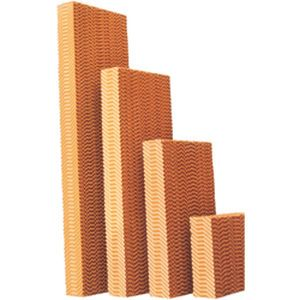
Evaporative cooler pads are specially designed materials that absorb water and allow air to pass through them. As warm air flows across the wet surface, heat is removed through evaporation, resulting in cooler air being circulated into the space.
These pads act as the core medium for heat exchange in evaporative cooling systems. Their design and material composition directly influence cooling effectiveness and airflow quality.
How Cooling Pads Work
Cooling pads operate based on the principle of water evaporation. When water is distributed across the pad surface, it creates a moist layer. As warm air is drawn through the pad, the heat from the air causes the water to evaporate.
This evaporation process reduces the air temperature before it is released into the environment. The efficiency of this process depends on the pad’s ability to retain water and allow consistent airflow.
Uniform water distribution and proper airflow are essential for achieving optimal cooling results. Poor-quality pads may lead to uneven cooling and reduced performance.
Types of Cooling Pads
There are different types of cooling pads available, each offering unique advantages based on design and material.
- Honeycomb Pads: These are structured with a cellular design that increases surface area for evaporation. They provide higher efficiency and better water retention.
- Traditional Pads: Typically made from wood wool or similar materials, these pads are simpler in design but may offer lower efficiency compared to honeycomb variants.
The choice between these types depends on the specific requirements of the cooling system and the desired performance level.
Importance of High-Quality Cooling Pads
The quality of cooling pads has a direct impact on the overall performance of an evaporative cooling system. High-quality pads ensure consistent cooling, improved airflow, and long-term reliability.
Investing in better materials and design enhances the effectiveness of the cooling process while reducing maintenance requirements.
Impact on Cooling Performance
Cooling pads are responsible for the actual temperature reduction in an evaporative cooler. High-quality pads provide better water retention and increased surface area, which improves evaporation efficiency.
This results in:
- Faster cooling response
- More consistent temperature control
- Improved airflow distribution
Efficient pads help maintain stable performance even during extended operation. Poor-quality pads may struggle to deliver consistent cooling, leading to inefficiencies.
Durability and Longevity
Durability is another critical factor when evaluating cooling pads. High-quality pads are designed to withstand continuous exposure to water and airflow without degrading quickly.
Long-lasting pads offer several benefits:
- Reduced replacement frequency
- Lower maintenance costs
- Consistent performance over time
Durable materials also resist damage from environmental factors, ensuring reliable operation for extended periods.
In the middle part of your research, visiting ARCTIC can provide deeper insights into advanced cooling solutions and product innovations.
Maintenance and Replacement of Cooling Pads
Proper maintenance is essential to ensure that cooling pads continue to perform efficiently. Over time, dust, minerals, and debris can accumulate on the pad surface, affecting airflow and water absorption.
Regular care helps maintain performance and extends the lifespan of the pads.
Cleaning and Care Tips
Maintaining cooling pads involves routine cleaning and inspection. Some essential practices include:
- Removing dust and debris from the pad surface
- Ensuring proper water flow across the pads
- Checking for blockages in the water distribution system
Clean pads allow for better airflow and more effective evaporation. Neglecting maintenance can lead to reduced cooling efficiency and increased strain on the system.
When to Replace Cooling Pads
Even with proper maintenance, cooling pads will eventually need replacement. Recognizing the signs of wear is important to avoid performance issues.
Common indicators include:
- Reduced cooling efficiency
- Visible damage or deformation
- Uneven water distribution
- Persistent odors or airflow restrictions
Timely replacement ensures that the cooling system continues to operate at optimal efficiency.
Choosing the Right Cooling Pads
Selecting the right cooling pads is crucial for achieving the desired cooling performance. Factors such as material, thickness, and compatibility play a significant role in determining effectiveness.
A well-informed choice helps maximize efficiency while minimizing maintenance requirements.
Material and Thickness Considerations
The material used in cooling pads affects water absorption, airflow, and durability. Honeycomb pads made from treated cellulose are widely preferred due to their high efficiency and long lifespan.
Thickness is another important factor. Thicker pads generally provide:
- Better water retention
- Increased cooling efficiency
- Improved durability
However, the thickness must be balanced with airflow requirements to ensure optimal performance.
Compatibility with Coolers
Cooling pads must be compatible with the specific design of the evaporative cooler. Proper fit ensures that air flows evenly through the pad without leakage or obstruction.
Important considerations include:
- Size and dimensions of the pad
- Compatibility with the water distribution system
- Alignment with airflow channels
Using the correct pad type ensures efficient operation and prevents unnecessary wear on the system.
For further assistance or product inquiries, you can Contact experts to find the right cooling solution for your needs.
FAQs
1. Why are evaporative cooler pads important?
They are essential because they enable the evaporation process that cools the air, directly impacting the efficiency and effectiveness of the cooling system.
2. What type of cooling pad is more efficient?
Honeycomb cooling pads are generally more efficient due to their larger surface area and better water retention capabilities.
3. How often should cooling pads be replaced?
Replacement depends on usage and maintenance, but signs such as reduced cooling and visible wear indicate the need for new pads.
4. Can dirty cooling pads affect performance?
Yes, accumulated dust and debris can block airflow and reduce evaporation efficiency, leading to poor cooling performance.
5. What factors should be considered when choosing cooling pads?
Material, thickness, durability, and compatibility with the cooling system are key factors to consider.
Conclusion
Evaporative cooler pads are a fundamental component in achieving efficient and reliable cooling. Their ability to facilitate evaporation directly influences temperature reduction, airflow quality, and overall system performance. High-quality pads not only enhance cooling efficiency but also contribute to durability and long-term cost savings.
By understanding their function, maintaining them properly, and selecting the right type, it becomes possible to optimize cooling systems for consistent and effective operation. Making informed decisions about cooling pads ensures improved performance and a more efficient cooling experience overall.